
Where to Stay in Riga
Your guide to the best areas and accommodation types
Riga splits into quarters, each with its own pulse and price tag. The Old Town tangles cobblestone lanes beneath medieval spires. Art Nouveau Quarter parades ornate facades along leafy avenues. Cross the Daugava to Agenskalns and Kipsala for hush and timbered houses.
Accommodation costs stay lower than most European capitals. Yet Old Town premiums spike each summer. Many hotels occupy historic shells with original beams and tiles intact.
Budget
€15-45 per night for hostels and basic guesthouses
Mid-Range
€55-120 per night for three and four-star hotels
Luxury
€140-300+ per night for five-star and historic palace hotels
Where to Stay in Riga
Hand-picked hotels across price tiers for every visitor.
Best Areas to Stay
Each neighborhood has its own character. Find the one that matches your travel style.
Hotel recommendations verified
Old Town
Mid-range to a splurge
The medieval heart of Riga, a UNESCO site, tangles alleys, Gothic churches, and centuries-old merchant houses now turned into hotels.
- ✓ You can walk to every major landmark
- ✓ Constant view of church spires and cobblestones
- ✓ Dense concentration of restaurants and bars
- ✓ Immersive historic atmosphere day and night
- ✗ Audible bar and club noise until the early morning hours on weekends
- ✗ Limited vehicle access makes arrival with luggage a challenge
Recommended places to stay in Old Town
Art Nouveau Quarter
Mid-range
Centered on Alberta Street, this district flaunts the world's densest strip of lavishly decorated facades from the early 20th century.
- ✓ You see intricate stone carvings and mythical figures on every facade
- ✓ Wide, peaceful boulevards lined with mature trees
- ✓ Close to the elegant Esplanade park
- ✓ A short walk from the Old Town
- ✗ Fewer immediate dining options compared to the Old Town
- ✗ Public tram lines run along main streets, creating ambient noise
Recommended places to stay in Art Nouveau Quarter
mid_range
Neiburgs Hotel
Central District
Mid-range
The business and shopping hub around the Freedom Monument, mixing pre-war buildings with modern developments.
- ✓ Direct access to major department stores and boutiques
- ✓ Efficient tram and bus connections to all parts of Riga
- ✓ A mix of international hotel chains and local options
- ✓ You feel the steady pulse of city life
- ✗ Heavier weekday traffic and commuter crowds
- ✗ Less distinctive historic character than neighboring districts
Recommended places to stay in Central District
Agenskalns
Budget-friendly
A residential neighborhood on the left bank of the Daugava River, famous for its wooden architecture and local markets.
- ✓ You smell fresh bread from local bakeries. You hear Latvian spoken in the streets.
- ✓ Charming wooden houses and peaceful garden squares
- ✓ Access to the verdant Arkadijas Park
- ✓ A short tram ride to the Old Town
- ✗ Limited nightlife and fewer tourist-oriented restaurants
- ✗ Requires a bridge crossing to reach most major sights in Riga
Recommended places to stay in Agenskalns
Kipsala
Mid-range to a splurge
Tranquil island in the Daugava River, lined with historic wooden villas, modern university buildings, and river views.
- ✓ You feel cool river breezes and hear lapping water
- ✓ Spectacular panoramic views of the Old Town spires across the water
- ✓ Almost entirely residential and pedestrian-friendly
- ✓ Unique historic wooden architecture
- ✗ Very few restaurants or shops on the island itself
- ✗ Limited public transport options, often requiring a walk across the bridge
Recommended places to stay in Kipsala
mid_range
Islande Hotel
Miera Iela Area
Budget-friendly to mid-range
Centered on lively Miera Iela, this district packs hip cafes, craft beer bars, and independent boutiques.
- ✓ You taste locally roasted coffee and craft beers in quirky bars
- ✓ A constant hum of relaxed, local conversation
- ✓ Independent design shops and vintage stores
- ✓ A local, off-the-beaten-path atmosphere
- ✗ A twenty-minute walk or short tram ride to the Old Town
- ✗ Accommodation options are mostly guesthouses, not full-service hotels
Recommended places to stay in Miera Iela Area
mid_range
B&B Riga
Pardaugava
Budget-friendly
The expansive left bank area of Riga, covering residential neighborhoods like Torņakalns and Āgenskalns, offering space and greenery.
- ✗ A longer commute via tram or bus to reach the Old Town
- ✗ Sparse density of restaurants and limited evening ambiance
Recommended places to stay in Pardaugava
Find Hotels in Riga
Compare prices and book your perfect stay
Find the best hotel for your stay on Trip.comPrices via Trip.com. We may earn a commission from bookings.
Accommodation Types
From budget-friendly hostels to luxury hotels, here's what's available.
Hotels
€55-300+ per night
Riga mixes historic boutique hotels in the Old Town and Art Nouveau Quarter with reliable international chains in the Central District.
Best for: Travelers seeking daily service, central locations, and consistent amenities
Many boutique hotels in Riga offer better rates and package deals when booked directly through their website.
Hostels
€15-45 per night
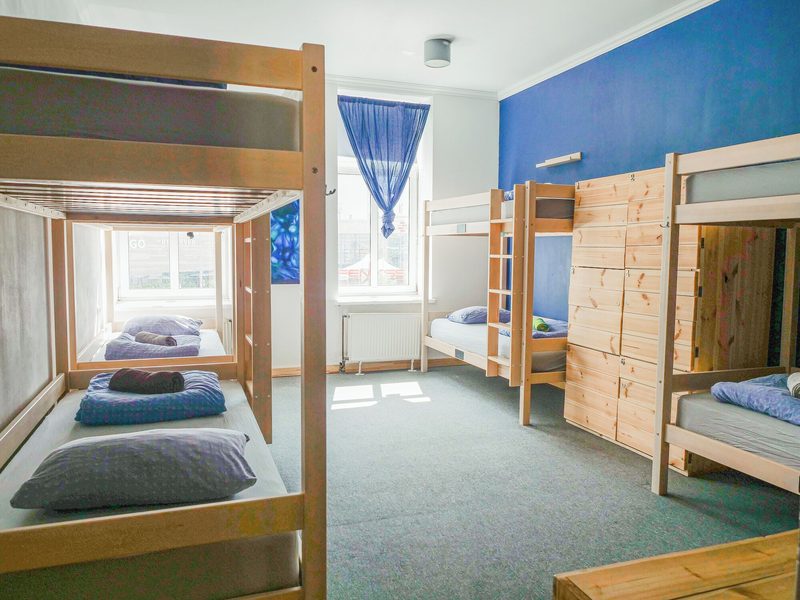
Social hostels cluster in and around the Old Town, often housed in historic buildings with shared kitchens and lively common areas.
Best for: Solo travelers, backpackers, and those who value social buzz over privacy.
Private rooms in popular hostels sell out weeks ahead in summer. Dorm beds often stay available.
Guesthouses and B&Bs
€35-90 per night
These are prevalent in residential districts like Agenskalns and the Miera Iela area, giving a local, personal touch and often homemade breakfast.
Best for: Travelers wanting a homely atmosphere and direct interaction with local hosts
Communication with hosts is often direct. Confirm check-in times carefully. They can be more flexible than hotels.
Apartments
€50-150 per night
Self-catering apartments are widely available across Riga, in newer developments in the Central District and on Kipsala island.
Best for: Families, groups, or longer-stay visitors who want kitchen facilities and more space.
For stays longer than three nights, apartment rates often beat equivalent hotel rooms.
Booking Tips
Insider advice to help you find the best accommodation.
Old Town hotels fill first, Pardaugava rarely reaches capacity
Boutique hotels in Riga's Old Town can be fully booked a month in advance for summer weekends. Apartments and guesthouses in Pardaugava districts typically have availability until the last week.
Winter offers deep discounts outside the Christmas market period
From January through March, hotel rates in Riga drop significantly. The two-week Christmas market period pushes Old Town prices to summer highs.
When to Book
Timing matters for both price and availability.
High Season
Reserve six to eight weeks ahead for stays in July and August, for specific boutique hotels in the Old Town.
Shoulder Season
May, June, and September bring good weather and lower crowds. Booking three weeks ahead is typically sufficient.
Low Season
November through March offers the best deals. You can often book days in advance, except during the Christmas market weeks.
Four weeks of lead time covers most situations in Riga. For summer weekends in the Old Town, aim for eight weeks.
Good to Know
Local customs and practical information.
Check-in / Check-out
Standard check-in is at 15:00, check-out by 12:00. Most hotels will store luggage for early arrivals or late departures.
Tipping
Tipping is not customary. Leave small change or round up the bill in restaurants. Hotel staff appreciate it but never expect it. Simple.
Payment
Card payments are accepted almost universally. Some smaller guesthouses or rural-style restaurants still prefer cash in euros. Carry a few coins.
Safety
Riga is a secure city. Keep standard urban precautions: watch your belongings in crowded trams and avoid quiet park areas after dark. Stay alert.
Ready to plan your trip to Riga?
Now that you've got the research covered, here's where to go next.