
Things to Do in Riga in September
September weather, activities, events & insider tips
Low Season · Budget Friendly
September Weather in Riga
Long-run averages for September
63°F (17°C)
High Temp
49°F (9°C)
Low Temp
2.6 inches (66 mm)
Rainfall
79%
Humidity
3
Sunny-Day UV
⚠ Baltic wind off the Daugava and the Gulf of Riga makes perceived temperatures feel 5-8°C (9-14°F) colder than readings suggest, along the waterfront and on the Jūrmala coast. Wind chill is September Riga's real weather story, not rain.
⚠ Daylight shrinks by roughly four minutes daily through September. By the final week, you lose over an hour of usable daylight compared to the month's start. Plan outdoor activities and photography for morning and early afternoon, in the second half.
Is September Right for You?
Weigh the advantages and considerations before booking
Advantages
- + Summer crowds have cleared out of Old Riga's narrow medieval lanes. You can stop on Tirgoņu iela to look up at a facade without blocking foot traffic. The Art Nouveau district on Alberta iela, which gets clogged with tour groups in July, is yours to wander at your own pace. Cafe terraces along Kaļķu iela still have open seats at lunch. September delivers breathing room.
- + September kicks off Riga's cultural season in earnest. The Latvian National Opera and Ballet on Aspazijas bulvāris reopens its full program. The Dailes Theatre launches new productions. Galleries across the city mount fresh exhibitions after the summer pause. If you care about seeing Riga at its most intellectually alive, this is likely the month. The city wakes up.
- + The forests of the Gauja Valley, about 50 km (31 miles) east of the city, begin turning gold and copper by mid-September. The Ķemeri Great Bog boardwalk fills with low morning mist that sits just above the moss. The light at that hour is the kind of thing photographers plan trips around. Autumn in Latvia is striking. It starts here.
- + Shoulder-season pricing has quietly kicked in. Accommodation that required booking months ahead during the solstice weeks tends to open up. Rates across Riga drop noticeably from the July-August peak. Flights from most European hubs are similarly eased. You get a city operating at full cultural capacity without the full summer surcharge. The value is real.
Considerations
- − The weather is turning, and not gently. Early September can still deliver pleasant 17°C (63°F) afternoons with the sun warming your shoulders on the Esplanade. By the final week, evenings at 9°C (49°F) feel properly cold, with the Baltic wind pushing up the Daugava. You will need layers. You will use all of them.
- − Daylight contracts fast. Riga sits at 57 degrees north, and by late September you lose roughly four minutes of light per day. Early in the month, sunset is around 7:45 PM; by the 30th it is closer to 7:00 PM. If you are planning outdoor activities or photography, the window for good light tightens every day you are there. Plan accordingly.
- − Rain is not dramatic here the way monsoon rain is dramatic. It arrives as a persistent grey drizzle that can settle over the city for a full day. The cobblestones in Vecrīga turn slick. A morning walk becomes a damp negotiation with your rain jacket. The 66 mm (2.6 inches) monthly average does not sound like much. It arrives without schedule.
Best Activities in September
Top things to do during your visit
Riga enters September on the trailing edge of its warmest months, and the shift is immediate. Daytime temperatures settle around 17°C, ten or more degrees cooler than the July peak, and nights dip toward 9°C. Enough to warrant a proper jacket after dark. The light changes too: the near-endless summer evenings contract, and by mid-September the sun drops behind the Art Nouveau facades of Alberta iela well before eight, casting the ornamental plasterwork in deep amber. Along the Daugava, the river breeze carries a sharpness it lacked in August, and the linden trees lining the canal parks begin dropping the first yellow leaves onto wet cobblestones. What September weather in Riga means in practice is layering. Mornings in Vecrīga, the medieval Old Town, can start with fog pooling between the church spires of St. Peter's and the Riga Cathedral, the air smelling of damp stone and the dark rye bread baking at the cafés along Kaļķu iela. By midday the clouds often break, and the low-angled sun hits the copper rooftops so that the whole skyline seems to glow. Rainfall averages about 66 millimetres for the month, spread across unpredictable showers rather than full washout days, so a compact umbrella earns its bag space. Compared to the heavy rains of October, September is the drier side of autumn, and considerably more comfortable than the deep winter months when Riga sits at or below freezing from December through February. The practical upside is that the summer tourist crush has thinned. Riga's Central Market, five colossal pavilions built inside repurposed Zeppelin hangars, feels navigable again. You can stand at the smoked fish counter and watch the vendor slice gravlax without a crowd pressing at your back. The caraway-scented Jāņi cheese, stacked in pale wheels, is easier to sample when vendors have time to talk. Across the city, restaurant terraces stay open through September, though some start setting out wool blankets on chairs, and locals settle in for longer meals now that the frantic pace of Latvian summer, when everyone scatters to the countryside, has wound down. Riga in September belongs to the people who live there, and it shows.

Honest tour of Riga with the best private guide in town
private_tourstrips away the postcard version of the city and replaces it with the one residents know. Your guide walks you through Vecrīga's narrow lanes, past the blackened medieval warehouses along Aldaru iela where the smell of cellar damp still seeps through the walls, then into the quieter residential blocks of the Art Nouveau district where cat-faced grotesques and screaming masks peer down from fifth-floor cornices most visitors walk right under without looking up. The conversation goes where a scripted group tour cannot, into the Soviet-era apartment courtyards, the stories behind the bullet scars on certain facades, and the Latvian habit of reading a building's biography through its ornamental details.
A private, unscripted walk that trades tourist-circuit polish for the real texture of how Riga was built, damaged, and rebuilt.
Insider tip: Ask your guide to take you through the quiet courtyard passage behind the Swedish Gate on Torņan iela. The narrow tunnel amplifies every footstep on its worn flagstones and opens onto a street most groups skip entirely.

Best of Latvia, Jurmala, Kemeri N Park, Kuldiga City, Food & More
otheris a single-day sweep through three landscapes that sit within a few hours of Riga yet feel like separate countries. The route starts at Jūrmala, the long ribbon of Baltic beach where fine white sand squeaks underfoot and the pine forest crowds right to the dune edge, filling the salt air with resin. From there you push inland to the wetlands of Ķemeri National Park, where a raised boardwalk carries you over quaking peat bog and sulfur-laced mineral springs that stain the water a rust-orange impossible to mistake for anything natural. The day finishes in Kuldīga, a quiet town on the Venta river where the Ventas Rumba, the widest natural waterfall in Europe, slides over a broad limestone shelf with a low, steady roar you hear two blocks before you see it.
Three of Latvia's most distinct landscapes in one day, from Baltic coast to inland bog to a river town that still looks like a seventeenth-century oil painting.
Insider tip: In Kuldīga, walk across the old brick bridge over the Venta and look upstream. The waterfall stretches the full width of the river, and in September you can sometimes spot fish attempting to leap the ledge, a holdover from the salmon and vimba runs that locals once harvested here.
This month: September temperatures in the mid-teens make the long outdoor stretches at Ķemeri and along the Venta comfortable without summer heat or insect pressure, and the bog's sphagnum mosses begin shifting toward copper and rust tones.

Kayaking Adventure in Riga
adventureputs you on the city's waterways at a vantage point no walking tour can replicate. You paddle along the old city canal that rings Vecrīga, where the water reflects the green canopy of Bastejkalns park overhead and the stone embankments rise on either side, slick with moss. The route takes you under low arched bridges where your paddle strokes echo off the brickwork, past the back sides of opera house gardens that face the water rather than the street, and eventually out onto the wider Daugava where the full Riga skyline, the three church spires, the glass towers of the left bank, opens up in a single sweep. Even longtime residents say the city looks unfamiliar from water level.
Riga from the seat of a kayak reveals a city built around water in a way no street-level tour communicates.
Insider tip: Wear a thin waterproof layer even if the sky is clear. Paddle splash and the cooler air off the canal in September will chill you faster than you expect, and gloves help with grip once your hands get damp.
This month: With September air temperatures averaging 17°C and water cooling from its summer peak, a light wetsuit layer or windproof shell is practical. Operators typically adjust briefings for autumn paddling conditions.

Riga Airport Private Transfer - private group 1 to 8 pax
transporthandles the twelve-kilometre corridor between Riga International Airport and the city centre with a driver who meets you at arrivals and gets you to your accommodation without navigating the taxi queue or deciphering the bus system after a flight. The ride itself is short. Riga's airport sits unusually close to the Old Town, and a private booking means the vehicle is waiting when you land, not the other way around. For groups or families travelling with luggage, the door-to-door simplicity removes the one friction point in an otherwise easy-to-navigate city.
The fastest, most predictable way to cover the short distance between the airport and central Riga, with luggage or after a late arrival.
Insider tip: If your flight lands after ten at night, a pre-booked transfer is worthwhile. The airport bus frequency drops sharply in the late evening, and the taxi rank can thin out on quieter weeknights.

Riga to Vilnius - Sightseeing transfer
guided_experienceturns the roughly three-hundred-kilometre journey between the Latvian and Lithuanian capitals into an actual travel day rather than a dead transit block. Instead of watching highway guardrails from a bus window, the route detours through the green, lake-pocked interior of both countries, the kind of rolling farmland and birch forest that smells of damp earth and cut hay in early autumn. Stops along the way typically include the Hill of Crosses near Šiauliai, a wind-scoured hilltop bristling with thousands of crucifixes and rosaries that rattle and clink against each other in the Baltic breeze, and the Baroque core of one or two smaller towns that sit well off the main highway. You arrive in Vilnius having seen the countryside you crossed.
Transforms a routine capital-to-capital transfer into a genuine cross-country journey through rural Latvia and Lithuania.
Insider tip: Request a stop at Rundāle Palace south of Riga if the route allows. Its formal gardens are among the finest in the Baltics, and the palace interior, with gilded Rococo ceilings and creaking parquet floors, is uncrowded on weekday mornings.

Ķemeri Great Bog Discovery With Optional Sunrise & Jūrmala Visit
othertakes you onto the raised boardwalk that threads through one of Latvia's most otherworldly landscapes. The Great Ķemeri Bog is a vast, flat expanse of sphagnum moss, dark peat pools, and stunted dwarf pines that stretches to the horizon like a waterlogged tundra. Underfoot the boardwalk flexes slightly with each step. The whole surface is floating on waterlogged peat, and the air carries a faint mineral tang from the sulfur springs that feed the bog's edges. The optional sunrise departure is the version to choose if you can manage the early alarm: mist lifts off the dark pools in slow ribbons, and the low light turns the water surfaces into mirrors that reflect the twisted pine silhouettes with eerie clarity.
A landscape that looks like it belongs in subarctic Scandinavia. Yet sits less than an hour from central Riga.
Insider tip: Bring a thermos of hot tea or coffee for the sunrise option. The bog is open and exposed, with no tree cover to block the wind, and September mornings at single-digit temperatures feel raw when you are standing still on the boardwalk waiting for the light.
This month: September sunrise over the bog occurs later than in summer, around seven in the morning rather than five, making the early departure considerably more manageable while still delivering the low-angle mist conditions the experience depends on.
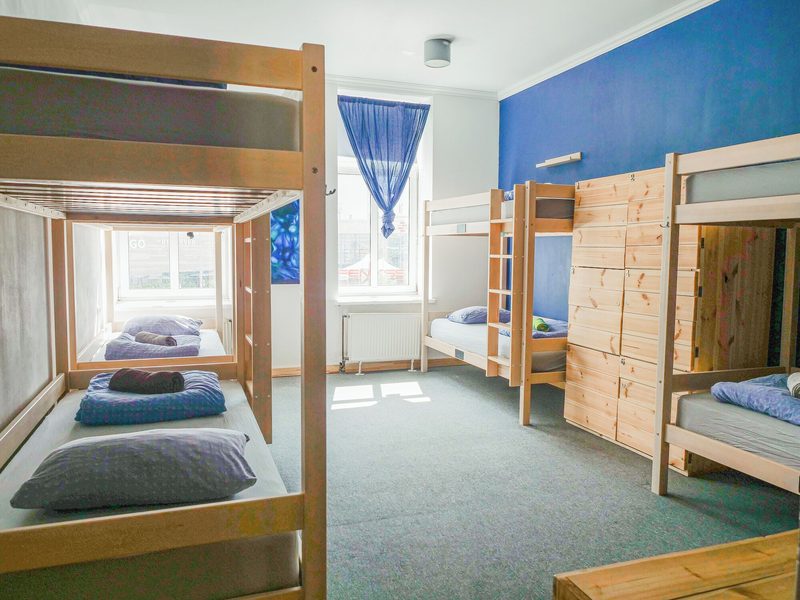
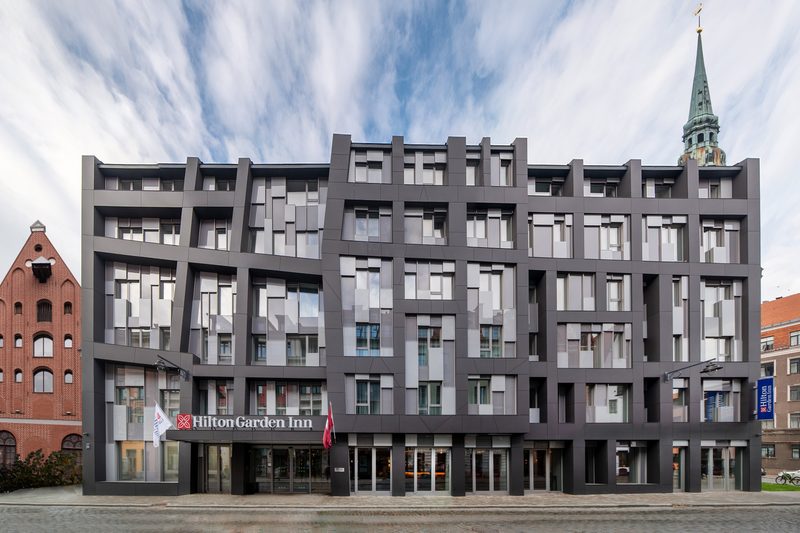
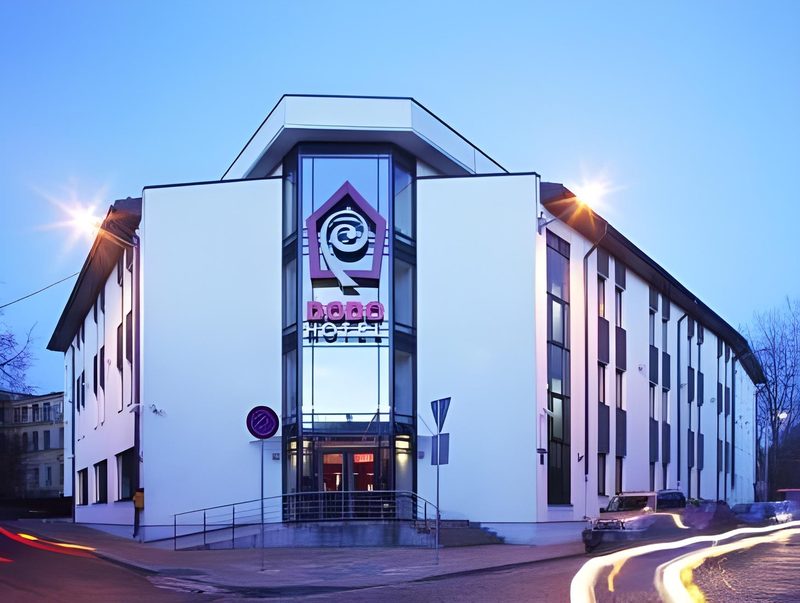
Where to Stay in Riga in September
Hand-picked hotels across price tiers for September travellers.
Packing Checklist
Bookmark this page — your progress is saved between visits
Need the full list with shopping links?
Climate-specific gear, brand recommendations, and what to leave at home.
View Riga Packing List →Essential Tips
Insider knowledge and common pitfalls to avoid
Insider Knowledge
The real Riga that locals inhabit is on the far side of the railway tracks from Old Town. The Āgenskalns neighbourhood on the left bank of the Daugava, reachable by tram across the Akmens tilts, has the Āgenskalns Market, a recently renovated timber market hall where you can eat a proper Latvian lunch surrounded by people who live there rather than people who are visiting. The walk from the tram stop takes you past wooden houses that predate the Soviet era and have the slightly listing, paint-peeled beauty of a city that has not bulldozed its own history.
Mushroom foraging is a Latvian national pastime, and September is the peak of it. The forests within an hour of Riga fill with families carrying baskets on weekend mornings, hunting for boletes and chanterelles under the pines. You will see the results at Riga Central Market, where vendors sell wild mushrooms still crusted with forest floor, and in restaurants that build their September menus around whatever came out of the woods that week. If you want to forage yourself, go with someone who knows what they are picking. Latvia takes its mushrooms seriously, and the wrong one will ruin more than your dinner.
The Quiet Centre, the grid of streets between the Old Town and the Art Nouveau district, is named without irony. Elizabetes iela, Barona iela, and the cross streets between them are where Riga's early twentieth-century bourgeoisie built their apartment blocks, and the neighbourhood still has a composed, slightly formal character that rewards slow walking. The courtyards behind the street facades often hide small galleries, design studios, or cafes that do not advertise to the street. Push open an unmarked door and see what is behind it.
September evenings in Riga darken early. The city's bond with candlelight and interior warmth becomes central, not background. Latvians use jumts, technically meaning roof. Yet carrying shelter and cosiness that overlaps with Danish hygge. By late September, the indoor shift is clear. Restaurants light candles at five. The opera house glows against the canal. Timber-ceilinged bars in Old Riga feel earned, not quaint. Lean into it. Stop fighting for daylight.
Avoid These Mistakes
Spending all your time in Vecrīga, the medieval Old Town, treating it as the whole city. Old Riga is worth seeing. The churches. The Three Brothers houses on Mazā Pils iela. The Swedish Gate. Yet it is the most tourist-oriented part, the least representative of how Riga lives. The Art Nouveau district, Āgenskalns, the Central Market, the left bank of the Daugava: these are where the city breathes. Skip them and you visited a postcard, not a place.
Underestimating how fast weather shifts in one day. September in Riga can start at 9°C (49°F) under grey cloud, warm to 17°C (63°F) with sunshine by midday, then drop to 10°C (50°F) with drizzle by late afternoon. Tourists who dress for one condition suffer through the rest. Layering is not a suggestion. It separates enjoying the city from lasting it.
Assuming Riga is a weekend city. Two days covers Old Town and the Central Market. It misses Sigulda when the Gauja Valley turns gold. It misses sunrise at Ķemeri. It misses an evening at the opera. Three full days is the minimum to do more than scratch the surface. Four or five days lets you include the coast and countryside without rushing. September's slower pace rewards staying longer.
Ready to plan your trip to Riga?
Now that you've got the research covered, here's where to go next.
Explore More Activities in Riga
Didn't see anything interesting yet?
Browse Viator's full catalog of tours, day trips, food experiences, and private guides in Riga.
See All Riga Tours on Viator